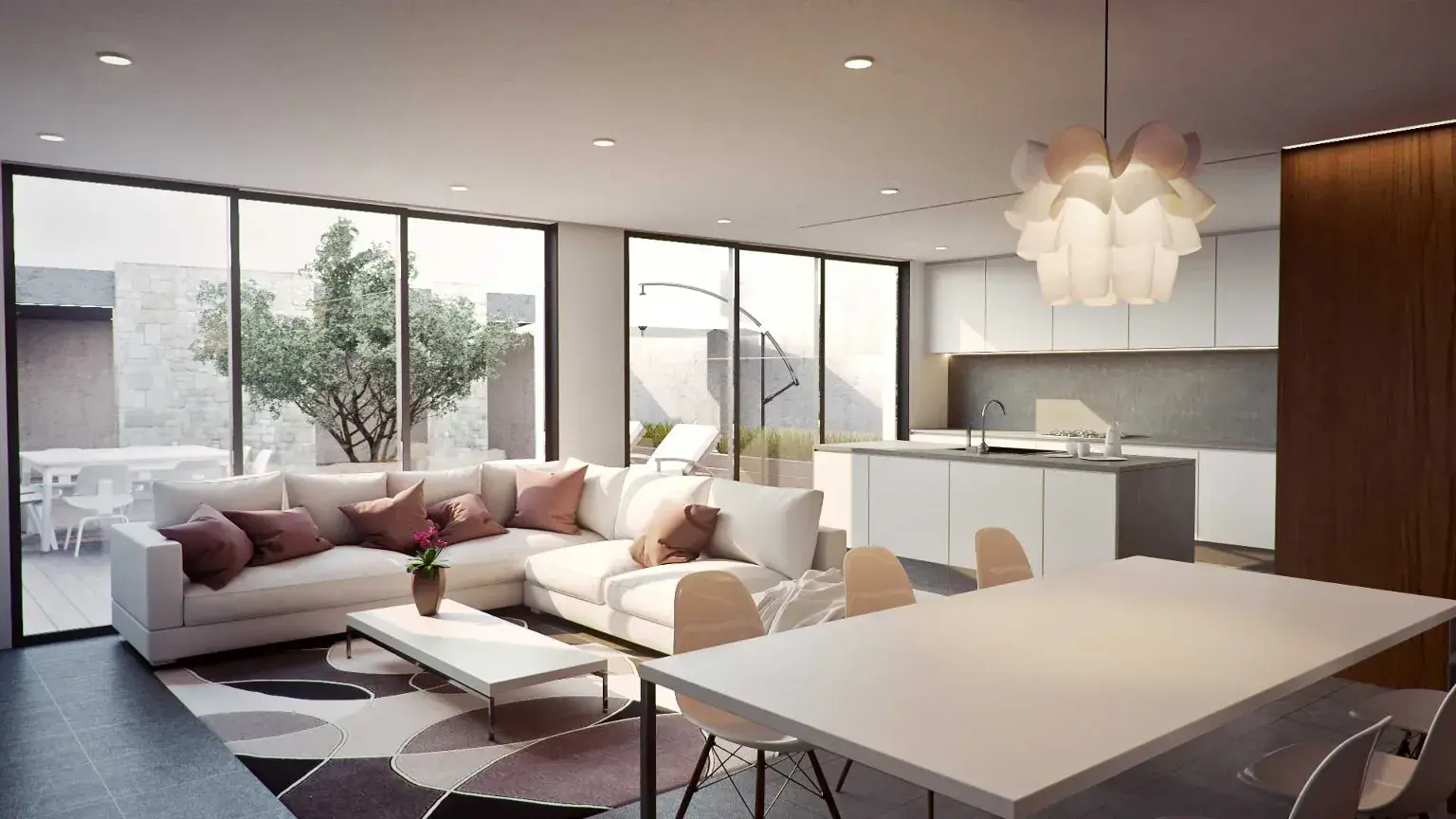

Renovating a house is an opportunity to improve its appearance, functionality and long-term value. Whether you have recently purchased an older property, want to modernise your existing home or need to create a more practical living environment, a well-planned renovation can completely transform how your home looks and feels.
However, successful renovation involves much more than selecting new flooring, decorating walls or installing a modern kitchen. Behind every attractive finished room are important decisions involving structural conditions, plumbing, electrical systems, insulation, budgets and building regulations.
For homeowners considering a house renovation in Worcester, understanding what to look for before starting construction can help prevent unexpected expenses and unnecessary delays.
Worcester offers a diverse range of residential properties, from traditional Victorian and Edwardian houses to post-war homes and modern developments. Each type of property presents different renovation opportunities and challenges.
Older buildings may require upgrades to electrical installations, heating systems and structural components, while newer properties may benefit from improved layouts, additional living space and contemporary finishes.
This guide explains the key factors homeowners should consider before renovating, how to identify potential problems and why choosing experienced renovation builders makes a difference.
1. Assess the Existing Condition of Your Property
Before planning decorative improvements, it is essential to understand the current condition of your home.
A property may appear structurally sound while concealing problems behind walls, beneath floors or within the roof structure. Identifying these issues early helps avoid expensive surprises once renovation work begins.
Start by examining the building for visible signs of deterioration.
Look for cracks in walls, uneven flooring, damp patches, water stains, damaged plaster and signs of roof leakage. These symptoms do not always indicate serious structural problems, but they should be investigated before major work begins.
Older Worcester properties may contain ageing timber, outdated plumbing, inadequate insulation or electrical systems that no longer meet current requirements.
Where structural movement or significant defects are suspected, a qualified building surveyor or structural engineer should assess the property.
A thorough initial assessment helps determine which areas require essential repairs and which improvements can be treated as optional upgrades.
2. Understand the Purpose of Your House Renovation
Every successful renovation begins with a clear understanding of what the homeowner wants to achieve.
Some homeowners renovate to modernise an outdated property, while others want to improve energy efficiency, create additional space or adapt their home to changing family requirements.
For example, an older property with several small rooms might benefit from an open-plan kitchen and dining area. A family home may require improved storage, an additional bathroom or a more functional utility room.
Establishing your main objectives helps determine the scope of construction work and prevents unnecessary spending.
Consider how each room will be used, how people move through the property and whether the proposed improvements will remain practical in the future.
A successful renovation should improve daily living rather than simply produce an attractive interior.
Good design balances appearance with functionality, ensuring that the finished property meets the household’s needs.
3. Check for Structural Issues Before Renovating
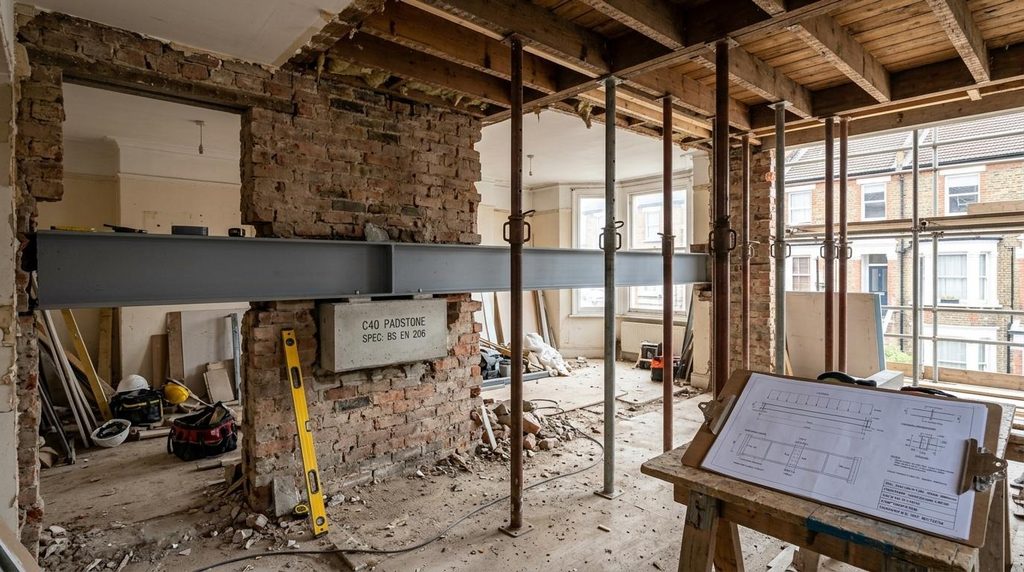
Structural alterations are often among the most significant aspects of a residential renovation.
Removing internal walls, widening doorways or creating larger living spaces can improve a property’s layout. However, these changes must be carefully assessed to ensure the building remains structurally stable.
Some internal walls are load-bearing and support floors, roof structures or other parts of the building.
Removing or altering these walls without appropriate structural design can create serious safety problems.
A structural engineer may need to calculate suitable support arrangements, including steel beams, columns or other structural components.
Homeowners should also consider the condition of foundations, existing floor structures and any previous alterations.
Where properties have been extended or modified in the past, it is important to establish whether earlier construction work was completed correctly.
Addressing structural requirements during the planning stage helps ensure that renovation work proceeds safely and efficiently.
4. Establish a Realistic Renovation Budget
Budget planning is one of the most important considerations when undertaking a home renovation in Worcester.
Renovation costs depend on the property’s size, existing condition, materials selected and extent of the proposed work.
A straightforward decorative refurbishment will generally cost less than a project involving structural alterations, complete rewiring, new plumbing and extensive interior reconstruction.
When preparing a budget, consider all major elements of the renovation, including building work, electrical installations, plumbing, heating, plastering, flooring, carpentry and decoration.
Professional fees, building control charges, waste removal and temporary accommodation may also need to be included.
It is sensible to maintain a contingency allowance for unforeseen problems. Many homeowners initially allow approximately 10–20% of the planned construction budget, although older properties or projects with significant uncertainty may require more.
For example, removing old flooring may reveal damaged joists, while opening walls can expose outdated pipework or defective electrical installations.
A detailed quotation with clearly defined work specifications allows homeowners to understand what is included and identify potential additional costs.
Choosing the lowest quotation without examining its scope can create difficulties later if essential work has been excluded.
5. Check Planning Permission and Building Regulations
Not every house renovation requires planning permission, but certain alterations may need formal approval.
Many internal improvements can be completed without planning permission, provided they do not involve development that requires consent or affect a listed building in ways requiring listed building consent.
However, extensions, significant external alterations and certain changes to protected properties may require approval.
Worcester contains conservation areas and historic buildings where additional planning considerations apply. Worcester City Council identifies 19 conservation areas and explains that Article 4 directions can restrict some normally permitted developments.
Building regulations are separate from planning permission and may apply to structural changes, electrical work, drainage alterations, insulation, ventilation and other construction activities.
Homeowners should establish the relevant requirements before work begins.
Professional builders can coordinate with architects, structural engineers and building control professionals to ensure that appropriate approvals and inspections are arranged.
Ignoring these requirements may create complications when selling the property or undertaking further improvements.
6. Consider Plumbing, Electrical and Heating Upgrades
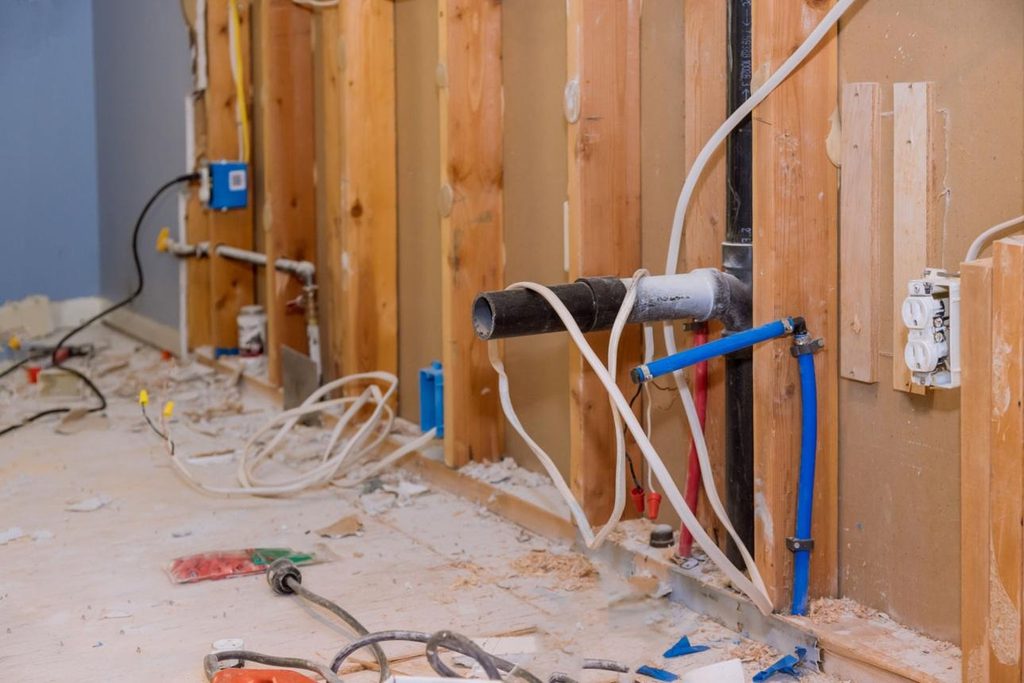
Plumbing and electrical installations are essential elements of a functional home, yet they are often overlooked during the early design stages.
Older properties may contain outdated wiring, inefficient heating systems or pipework that requires replacement.
If walls and floors are already being opened during renovation, it may be practical to undertake necessary infrastructure upgrades at the same time.
Electrical improvements can include additional sockets, upgraded lighting circuits, modern consumer units and suitable provision for kitchen appliances.
Plumbing upgrades may involve replacing deteriorated pipework, improving water pressure or installing new bathrooms and heating components.
Heating systems should also be assessed to determine whether existing radiators, controls and equipment are suitable for the renovated layout.
Planning these improvements early reduces the likelihood of completed surfaces needing to be reopened later.
All electrical and gas work must be undertaken by appropriately competent persons, with certification and notifications provided where required.
7. Improve Insulation and Energy Efficiency
Energy efficiency is an increasingly important consideration for homeowners renovating older properties.
Poor insulation, uncontrolled draughts and inefficient heating systems can contribute to higher energy consumption and uncomfortable indoor temperatures.
A renovation provides an opportunity to improve thermal performance through suitable insulation, upgraded windows, better draughtproofing and improved heating controls.
Depending on the property, improvements may include loft insulation, floor insulation or carefully designed wall insulation.
However, insulation must be selected with consideration for the building’s construction and moisture behaviour.
Traditional solid-wall buildings may require specialist solutions that allow the building fabric to manage moisture effectively.
Ventilation is equally important. Increasing airtightness without providing adequate ventilation can contribute to condensation and indoor air quality problems.
A balanced approach to insulation, ventilation and heating can create a more comfortable property while reducing unnecessary energy consumption.
8. Choose Materials That Suit Your Property
The materials selected during renovation influence the appearance, durability and maintenance requirements of the finished home.
For traditional Worcester properties, retaining original architectural features can help preserve the building’s character. Timber doors, decorative mouldings, period fireplaces and traditional brickwork may contribute significantly to the property’s appearance.
Contemporary renovations may benefit from clean finishes, modern joinery, large-format flooring and minimalist design features.
Materials should also be selected according to how each room will be used.
Kitchens and bathrooms require moisture-resistant finishes, while busy family areas benefit from durable flooring and easy-to-maintain surfaces.
For homeowners seeking a contemporary interior, specialist finishes such as microcement can provide a seamless appearance across suitable floors, walls and other surfaces.
The key is choosing materials that complement the property while delivering reliable everyday performance.
9. Choose Experienced House Renovation Builders in Worcester
Choosing the right construction company is one of the most important decisions in any renovation project.
An experienced builder should understand structural alterations, building regulations, construction sequencing and the coordination of different trades.
Before appointing a contractor, review examples of previous work and establish whether the company has experience with similar properties and projects.
A professional quotation should clearly identify the proposed work, materials, payment arrangements and any exclusions.
It is also important to understand how the project will be managed, who will supervise the site and how unexpected changes will be communicated.
Good project management helps prevent delays between trades and ensures that work progresses in a logical sequence.
At W Maggs Construction, we provide property renovation services in Worcester, covering everything from smaller interior improvements to complete home transformations.
Our work includes plastering, carpentry, structural improvements and comprehensive renovation projects, with an emphasis on quality workmanship and effective project coordination.
10. Plan the Renovation Schedule Carefully
House renovations often involve several stages of construction that must be completed in the correct order.
Structural work generally needs to be completed before plastering and decorative finishes. Electrical and plumbing installations must also be coordinated with wall construction, flooring and kitchen or bathroom installations.
A typical renovation may progress through initial surveys, design, approvals, strip-out, structural alterations, first-fix services, plastering, second-fix installations and final decoration.
The programme will depend on the scope and complexity of the project.
Material availability, specialist trades and unforeseen building defects can affect completion dates.
Homeowners should establish whether they can remain in the property during construction or whether temporary accommodation will be necessary.
Clear communication between the homeowner and builder helps manage expectations and allows decisions to be made without unnecessary delays.
11. Pay Attention to the Finishing Details
The quality of a house renovation becomes particularly noticeable during the final stages.
Poorly aligned doors, uneven plasterwork, untidy joints and inconsistent flooring can undermine an otherwise successful project.
Careful finishing requires attention to carpentry, decorating, tiling, flooring and the junctions between different materials.
Lighting positions, skirting boards, door frames and decorative finishes should be considered together rather than treated as separate tasks.
Before completion, homeowners should inspect the finished work and identify any outstanding items requiring attention.
A properly managed handover should also include relevant electrical certificates, building control completion documentation, product information and applicable guarantees.
These records are useful for future maintenance and may be important when selling the property.
Why Choose W Maggs Construction for House Renovations in Worcester?
A successful renovation requires careful planning, reliable workmanship and effective coordination throughout the construction process.
At W Maggs Construction, we help homeowners improve their properties through professional building and renovation services.
Whether you want to modernise an outdated interior, redesign existing living areas, upgrade individual rooms or undertake a complete property refurbishment, our team can support the project from initial planning through to completion.
We understand that renovating a home is a significant investment. Our approach focuses on practical building solutions, attention to detail and delivering finished spaces that suit the property’s character and the homeowner’s requirements.
Alongside property renovations in Worcester, our wider services include home extensions, new builds, specialist finishes and construction project management.
Start Your House Renovation in Worcester with W Maggs Construction
Planning a house renovation in Worcester begins with understanding your property’s condition, identifying your priorities and choosing a construction team capable of delivering the required improvements.
From structural alterations and building services to interior design and finishing details, every stage contributes to the overall success of the renovation.
A carefully managed project can create a more comfortable, functional and attractive home while protecting your long-term investment.
Whether you are planning a single-room refurbishment or a complete property transformation, W Maggs Construction can help turn your renovation plans into reality.
Contact W Maggs Construction today to discuss your house renovation requirements and take the first step towards improving your home.