Home Extension in Worcester
There comes a point in many homes when the space stops working.
The kitchen feels too small. The dining room becomes a storage zone. The spare bedroom is suddenly an office, gym, laundry room, and dumping ground for things nobody wants to deal with. The hallway is crowded. The garage is full of boxes. The family has grown, or the way you live has changed.
And that’s when a lot of homeowners start to ask the same question: Should we move, or should we improve?
For many in Worcester and the neighbouring regions, a well-thought-out home extension is the better answer. It allows you to keep the home, garden, school run, neighbors, and area that you know, while also giving the property the space and function it has been deprived of.
Moving house might be the answer to a space problem, but it’s followed by its own list of charming little disasters: estate agents, viewings, legal fees, stamp duty, surveys, chains, waiting times, and the emotional thrill of packing every mug you own into cardboard boxes. Humanity really did invent admin and then chose to live in it.
A more feasible option could be a home extension. When done right, it can make your home feel better every day and add long-term value to the property.
Start with the Problem, Not the Drawing
Before you start thinking about rooflights, double-fold doors, kitchen islands or finishes, fix the real issue.
What is your home not doing?
Need a larger kitchen where people can really cook, talk, and get around without some weird sideways shuffle? Home office quiet? A play room?! A utility room? Downstairs shower room? A new bedroom? Better access to the garden?
This first step is important because the purpose of the extension drives everything that follows. It affects size, layout, structure, heating, lighting, plumbing, drainage, glazing, storage, cost and timetable.
A beautiful extension that doesn’t solve the original problem is simply an expensive decoration. It might photograph well, but you will still be annoyed every morning. Well building begins with honest questions.
Common Extension Ideas That Work Well
Every property is different but certain types of extension are especially popular with Worcester homeowners.
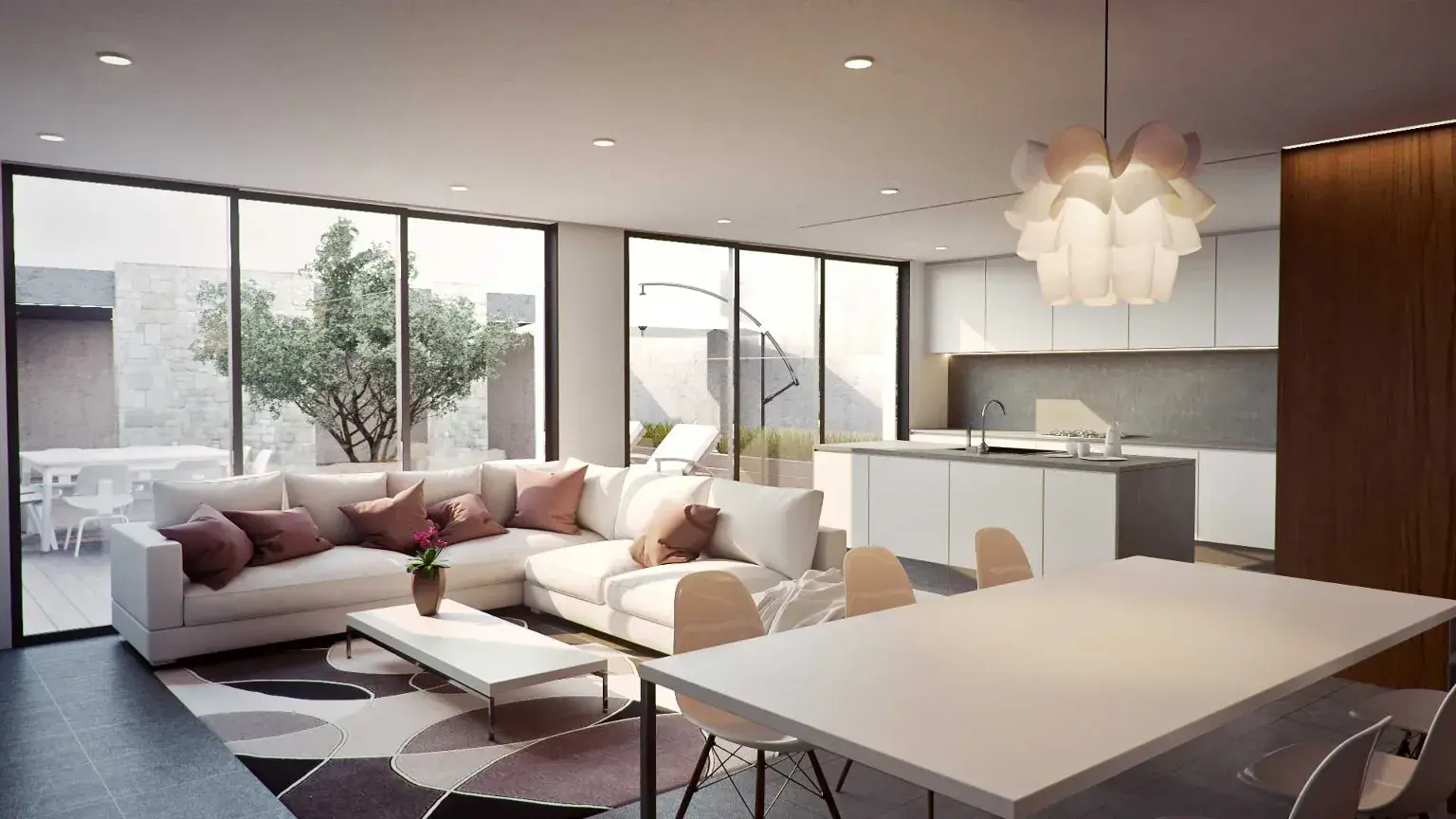
The first choice is often an extension to the kitchen. The kitchen is no longer just a cooking space. This is where families gather, guests hover, children do homework, and there is always someone standing directly in front of the drawer you need to get to. Adding a bigger kitchen and dining space can help make the whole house feel more open and functional.
An extension to the rear can link the house to the garden. It can bring more natural light into the property with good internal flow, wide doors and rooflights. With careful design it can create a better social space.
The narrow space along the side of a property can be used for a side return extension if it’s not being used. In the right home it can open up a cramped layout into a larger, brighter room.
A porch extension might be smaller but it can make life easier. It provides room for coats, shoes, school bags, muddy boots and deliveries. Small things can have a huge impact if they reduce irritation in everyday life.
A two storey extension can offer living space downstairs and a bedroom or bathroom upstairs. It is a larger project, but for the right property, it can be a great long-term investment.
What is best depends on your house, your budget, your requirements and what can be achieved within the planning and building control constraints.
Planning Permission and Building Regulations
Planning permission and building regulations are not the same thing but are often confused.
Planning permission is whether the proposed extension is acceptable in principle. It considers factors such as size, height, appearance, location, effect on neighbours and the character of the property and area.
Building regulations govern the construction of the extension. These include safety, structure, insulation, ventilation, drainage, fire protection, energy efficiency, electrics, glazing and other technical standards.
Some extensions may be allowed under permitted development rights, depending on the property and the proposal. Others require a formal planning approval. Further restrictions may apply to homes in conservation areas, listed buildings, flats or extended properties.
This is why early advice is crucial. A good construction team doesn’t leave planning and compliance until the last minute. These are issues to keep in mind before the project gets too far down the line as late changes can be time-consuming and costly.
Not smart to cut corners on compliance. It’s just future trouble in a hard hat.
Matching the Extension to the Existing Home
Good extensions should feel like they belong.
That doesn’t mean copying the existing house exactly. Sometimes a clean modern contrast is good. But the design must still respect the original property. Proportions, materials, brickwork, rooflines, windows, details all count.
Many homes in Worcester have character. Brick matching, roof pitch, openings and external finishes are all areas that need careful consideration in older properties. Newer homes may be more amenable to sharper lines, larger areas of glazing and more contemporary detailing.
The same principle applies inside. The new space should not feel tacked on. It should blend in nicely with the other rooms. Door positions, furniture layout, lighting, flooring and ceiling lines all help to make the extension feel a part of the home.
Here is where the seasoned builders make their mark. Anyone can make a room appear larger. The craft is making the whole house work better.
Think About Light, Heat, and Daily Use
Natural light is one of the main reasons people love extensions. Roof lanterns, rooflights, wide windows, and garden doors can completely change the feel of a home.
But more glass is not always better. Too much glazing in the wrong place can cause overheating, glare, privacy problems, and higher energy use. A good design balances light, comfort, and practicality.
You should also think about how the space will be used at different times of day. Morning light, evening sun, garden access, kitchen working zones, dining space, storage, and heating all need proper attention.
The extension must work in January as well as July. A room that looks glorious in summer but feels like a glass fridge in winter is not a triumph. It is a weather experiment with furniture.
Budget Beyond the Build
A realistic budget should include more than just the main construction.
Homeowners should budget for design fees, planning costs, structural calculations, building control, drainage work, utility changes, steelwork, insulation, windows, doors, kitchen or bathroom fittings, flooring, decoration, landscaping and contingency.
Once work gets underway, older homes can also throw up surprises. Hidden pipework, old electrics, uneven ground, shoddy previous workmanship or drainage problems can all reduce the scope.
Knowing your budget up front removes the stress of the process later. And it helps you to make better decisions. Where and how you want to invest, where to simplify, and what matters most – you decide.
The lowest quote isn’t always the best deal. Sometimes it’s just a mystery novel with receipts.
Why Project Management Matters
A home extension is not just brickwork.
There are groundworkers, bricklayers, carpenters, plasterers, electricians, plumbers, roofers, decorators, suppliers, inspectors, structural engineers and sometimes architects or designers. These people have to come in the right order with the right information and materials ready.
If the project management is bad the build can be a mess. Trades hang around. Materials are overdue. Decisions are rushed. Cost creep. The homeowner spends too much time searching for answers.
Good project management makes this process more transparent. Work is planned. Trades are synchronized. Arranged building control inspections. Problems are solved in no time. The customer knows what is happening and when.
That is one reason why many homeowners choose W Maggs Construction. The team can take a project from concept to completion including build process, trades, structural coordination, finishing and handover.
Good management fails to eliminate all challenges. Construction is just construction. Walls conceal secrets. Weather has views. Sometimes it seems that materials have joined a union. But the project is moving in the right direction with good coordination.
The Finish Is What You Live With
Foundations, drainage, and steelwork are vital, but most homeowners judge the final result by what they see and touch every day.
That means plastering, carpentry, flooring, doors, skirting, lighting, tiling, decorating, external finishes, and landscaping. Straight lines matter. Clean junctions matter. Neat finishes matter.
A well-built extension should not only be structurally sound. It should feel considered.
This is where craftsmanship shows. The final details decide whether the space feels professional or rushed.
Choosing the Right Builder in Worcester
When choosing a builder, look for more than a price.
You want a team that listens, communicates clearly, understands the local area, manages trades properly, takes quality seriously, and can explain each stage without hiding behind jargon.
Ask how the project will be managed. Ask what is included. Ask how changes are handled. Ask about insurance, workmanship, timelines, and building control. A good builder will welcome clear questions because clear questions prevent confusion later.
W Maggs Construction works across extensions, renovations, new builds, microcement finishes, and project management. That broad experience is useful because most extensions involve several trades and details. A kitchen extension may include structural work, plumbing, electrics, plastering, flooring, carpentry, decoration, and sometimes external landscaping.
Having one team manage the process helps keep the project more organised and less stressful.
Final Thoughts
A home extension can change the way you live.
It can create space, bring in light, improve daily routines, and make the property feel right again. But the best extensions do not happen by accident. They come from clear planning, good design, skilled workmanship, and careful project management.
Start with the problem you want to solve. Think about how the space will work every day. Plan the budget properly. Respect planning and building regulations. Choose a builder who can manage the details, not just lay the bricks.
If you are planning a home extension in Worcester, W Maggs Construction can help you move from the first idea to the final finish with confidence.
Your home may already have the potential. It just needs the right team to unlock it.